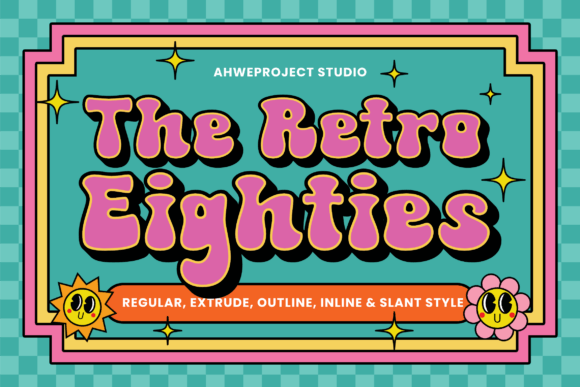
The Retro Eighties: A Typeface That Channels 1980s Energy
There's a reason 80s aesthetics keep making a comeback. That bold, unapologetic energy—the neon colors, the geometric shapes, the sheer confidence of the design choices—taps into something people crave. Whether you're designing a brand identity, packaging a new product, or creating social media content that stops the scroll, capturing that spirit requires the right visual tools. The Retro Eighties is a typeface built exactly for this purpose, offering designers and creators a direct line to that vibrant, playful era without feeling like a costume.
Understanding the Font's Visual Personality
At its core, The Retro Eighties is a display typeface with a bold, rounded structure. The letterforms feel friendly and approachable, but they carry a distinct swagger. Think of the titles on classic arcade cabinets, the logos on VHS rental covers, or the lettering on vintage lunchboxes. This font doesn't whisper; it makes a statement. Its whimsical charm avoids feeling aggressive or overly stylized, striking a balance that makes it versatile for both nostalgic projects and modern designs that want a touch of retro flair.
What sets this premium font apart is its included style variations. You don't just get one look. The Regular style offers a solid, confident base. The Extrude style adds a three-dimensional depth that immediately evokes 80s graphic design. The Outline version provides a lighter, more airy feel for layered compositions. The Inline style introduces a subtle detail within the letters, and the Slant adds dynamic forward motion. This collection of styles within a single font family is a practical asset, allowing for visual hierarchy and creative experimentation without needing to source multiple typefaces.
Practical Applications for Modern Projects
Let's move beyond theory. Where does a font like this actually work in real-world scenarios? Its strength lies in projects where grabbing attention and conveying a specific mood are priorities. For packaging design, especially for products like snacks, beverages, toys, or any consumer good aiming for a fun, energetic audience, The Retro Eighties can make shelf presence undeniable. The bold styles ensure the product name is readable from a distance, while the playful forms communicate the brand's personality instantly.
In the realm of branding and logo design, this typeface is ideal for businesses that want to stand out from minimalist, corporate aesthetics. A boutique coffee roaster, a retro gaming bar, a synthwave music producer, or a children's activity center could build a entire visual identity around it. The key is to use it strategically. It might serve as the primary logo font for a brand targeting a younger, nostalgia-inclined demographic, or as a secondary accent font in a larger system to add pops of personality on headlines, merchandise, and marketing collateral.
Digital applications are equally strong. Social media graphics thrive on visual impact. Using The Retro Eighties for Instagram story text, YouTube video thumbnails, or Facebook event posters can significantly increase engagement. Its readability at various sizes makes it a practical choice for web design as well—think hero section headlines, promotional banners, or blog post titles on a site dedicated to pop culture, vintage fashion, or creative hobbies. For digital products like downloadable planners, sticker sheets, or online course materials, it adds a layer of curated style that enhances perceived value.
Making Smart Design Choices with a Display Font
Using a bold, characterful font effectively requires some thoughtful consideration. First, consider readability in context. While The Retro Eighties is designed for clarity, a highly stylized display font is best used for headlines, short phrases, and impactful callouts, not for body text. Pair it with a clean, neutral sans serif font for paragraphs and supporting information. This contrast creates a professional, balanced layout where the retro typeface does the heavy lifting for visual interest without sacrificing readability.
Testing font pairings is a non-negotiable step. Before finalizing a design, see how The Retro Eighties interacts with your chosen body font. Does the weight feel balanced? Is there enough visual separation? Sometimes, a simple, geometric sans serif works best. Other times, a classic serif can create an interesting juxtaposition. The goal is harmony, not competition. Experiment with the different styles of The Retro Eighties itself. The Outline style, for instance, might pair beautifully with a solid body font for a more sophisticated look.
Also, think about the emotional alignment. The 80s aesthetic is broad. Does your project lean more toward the neon arcade vibe, the pastel Miami Vice look, or the geometric Memphis design style? The Retro Eighties can adapt to these nuances through color choices, context, and which specific style you emphasize. A monochrome color scheme with the Outline style feels different from a full-color palette with the Extrude style. This flexibility is a major advantage for creative professionals working across diverse client needs.
Building Brand Recognition and Consistency
For small business owners and entrepreneurs, a distinctive typeface is a powerful tool for brand recognition. When used consistently across all touchpoints—from your website and business cards to your social media and packaging—it becomes a visual signature. Customers begin to associate that specific letterform with your brand experience. The Retro Eighties, with its strong personality, is particularly effective at this. It's memorable. Choosing it as part of your brand identity assets means committing to a specific, energetic vibe that can differentiate you in a crowded market.
This consistency extends to professional presentation. A thoughtfully chosen font signals that you've considered every detail of your brand's communication. It moves your materials from looking generic to feeling curated and intentional. Whether you're creating a pitch deck, an email newsletter, or a product label, using a cohesive set of design assets, including a primary display font like this, elevates the overall quality and helps build trust with your audience.
Finally, always be mindful of licensing. For any commercial project—whether you're selling merchandise, offering design services, or monetizing content—ensure you have the correct license for the font. Reputable premium font foundries provide clear licensing terms for different use cases. This is a critical step in professional practice, protecting both your work and the work of the type designers who created the asset. The Retro Eighties, as a commercial font, will come with specific guidelines that allow you to use it confidently in your paid projects and client work.