Marston: A Typeface with Vintage Strength
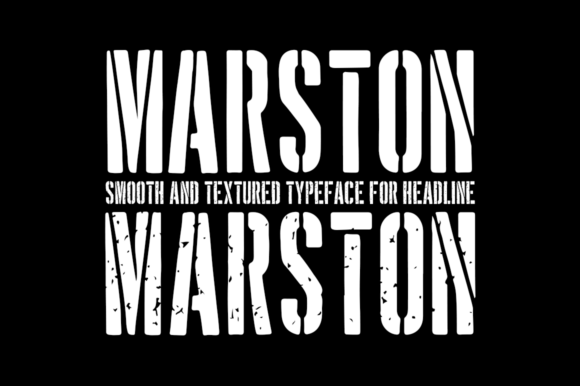
There’s a reason vintage design feels so compelling. It carries a weight, a story, a sense of authenticity that can be hard to replicate in our hyper-polished digital age. If you’ve ever wanted to channel that robust, masculine charisma into your own work, the right typography is your starting point. Marston is a font that doesn’t just whisper of the past; it announces it with a bold, sturdily built presence. Think of the worn stencil on a shipping crate, the confident lettering on an old workshop sign, or the authoritative headline in a classic print ad. This is the character we’re talking about—enduring, strong, and impossible to ignore.
Crafting a Brand with Rugged Authenticity
For entrepreneurs and small business owners, your brand identity is your handshake with the world. It needs to be memorable and communicate your values at a glance. A font like Marston, with its all-caps, distressed personality, is perfect for brands that want to evoke heritage, craftsmanship, and reliability. Imagine a craft brewery, a bespoke leather goods shop, a vintage motorcycle club, or a specialty coffee roaster. Using this typeface in your logo or primary branding immediately sets a tone of rugged individualism and time-tested quality. It tells customers you’re not about fleeting trends; you’re about substance.
This approach to typography helps build visual consistency across all your touchpoints. When your website header, product packaging, and social media graphics all share this distinctive, textured font style, you create a cohesive brand world. This consistency is what builds recognition. People start to associate that specific, bold lettering with your business, even before they read the words. It’s a powerful tool for standing out in a crowded marketplace where many default to clean, modern sans-serif fonts.
Practical Applications: From Screen to Print
The versatility of a well-designed display font is its greatest asset. Marston’s rugged texture and commanding presence make it suitable for a surprising range of projects, both digital and physical. It’s not just a one-trick pony for logos; it’s a workhorse for impactful communication.
- Posters & Editorial Design: Use it for headlines in magazine layouts, event posters, or book covers. Its tall, bold letterforms grab attention from across the room or down the page, making it ideal for any project where the headline needs to do the heavy lifting.
- Packaging & Merchandise: This is where vintage allure truly shines. Picture it on a coffee bag label, a hot sauce bottle, or the front of a rugged canvas tote bag. The distressed texture adds a tactile, handmade feel that elevates the perceived value of physical goods. It’s equally effective on t-shirt graphics, creating standout apparel with a classic, worn-in look from day one.
- Digital Presence: While best used sparingly for maximum impact online, it’s a fantastic choice for website hero sections, blog post titles, and social media graphics. A bold, captivating Marston headline can stop the scroll on Instagram or Pinterest, drawing eyes to your key message. For blogs, it can make your article titles more engaging and memorable.
Making Smart Typography Choices
Choosing a font is a design decision with practical consequences. Here’s how to think about integrating a typeface like this into your workflow effectively.
Pairing for Balance: A font with this much personality needs a partner that complements without competing. For body text on a website or in a brochure, pair Marston with a clean, highly readable sans-serif or a simple serif font. This contrast creates a clear visual hierarchy: the bold, textured display font captures interest, while the simpler font ensures longer passages of text are easy to read. Think of it as the lead singer and the rhythm section—both essential, but playing different roles.
Readability is Key: Because it’s a display font with a rugged texture, it’s not designed for small sizes or long paragraphs. Use it for headlines, subheadings, logos, and short, impactful statements. Always test your designs at the intended size. Will that distressed texture blur into an unreadable mess on a mobile screen, or does it hold its character? The included uppercase A-Z and numbers 0-9 give you plenty to work with for most headline and branding needs.
Check Your Licensing: Before using any premium font in a commercial project, always verify the license. Ensure the font file (whether OTF or TTF) you’ve purchased covers your intended use, whether that’s for a client’s logo, merchandise for sale, or digital products. Reputable font designers provide clear licensing terms, so you can use your new design asset with confidence.
Finding the Right Voice for Your Project
Ultimately, typography is visual communication. The style you choose should align with the story you’re telling. Marston speaks in a voice that is confident, masculine, and grounded in tradition. It’s not the right choice for a delicate floral wedding invitation or a cutting-edge tech startup’s minimalist app interface. But for projects that aim to convey strength, authenticity, and a connection to a more substantial past, it’s an unequivocal choice.
Think about your audience. Are they drawn to craftsmanship, history, and bold statements? Does your product or service have an element of durability or classic appeal? If so, this font can become a cornerstone of your visual identity, helping to attract the right people and communicate your value proposition without saying a word. It’s more than just a collection of letters; it’s a design asset that carries its own distinct energy, ready to be harnessed for your next bold project.