Oldport Script: A Handwritten Typeface with Vintage Character
Sometimes, a design project calls for more than just clean lines and modern efficiency. It asks for a touch of warmth, a hint of nostalgia, and a voice that feels both personal and timeless. This is where a typeface like Oldport Script steps in. It’s not merely a collection of letters; it’s a crafted visual language that evokes the comfort of a handwritten note, the charm of a classic café menu, and the adventurous spirit of vintage travel posters. For designers, entrepreneurs, and creators, finding a font with this specific kind of personality can be the key to unlocking a project’s full emotional resonance.
More Than Just a Retro Vibe
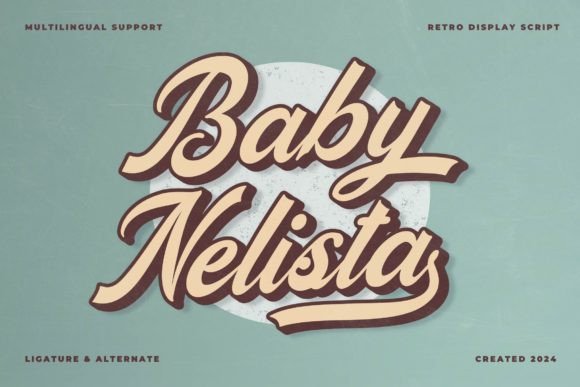
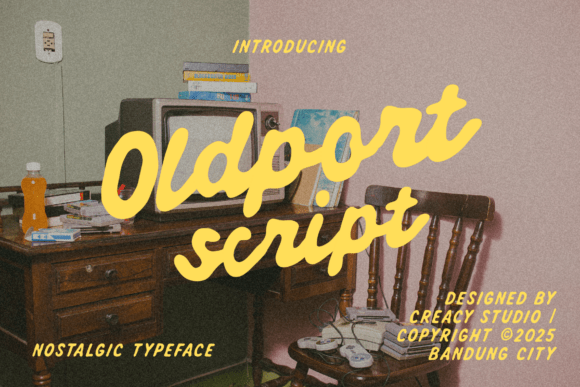
At first glance, Oldport Script is a handwritten font that transports you to a bygone era. Its fluid letterforms and silky curves feel organic, as if sketched by a skilled hand. But this isn't a fragile or overly decorative script font. The designers have built it with practicality in mind. The strokes have a confident weight, ensuring it holds its own in headlines and logos. The character set includes both uppercase and lowercase letters, numbers, and punctuation, providing everything needed for real-world composition. Crucially, its legibility is maintained even at smaller sizes, a common challenge with many decorative typefaces. This balance between aesthetic charm and functional clarity is what makes it a versatile design asset.
Where Vintage Meets Versatility: Practical Applications
The true test of any creative font is how it performs across different mediums. Oldport Script’s strength lies in its ability to adapt, lending its character to a wide array of projects without losing its core identity.
For brand identity, this typeface is a powerful tool. Imagine a local bakery, a boutique coffee roaster, or a craft distillery using it in their logo. It immediately communicates a sense of artisanal quality, care, and tradition. It can extend seamlessly into packaging design, where a handwritten feel on a label or box can make a product stand out on the shelf and feel more personal to the customer.
In the digital realm, it shines equally. Social media graphics gain an inviting, approachable quality when set in Oldport Script. It’s perfect for Instagram quotes, story highlights, or promotional banners for lifestyle brands. On a website, it can be used strategically for hero text, section headings, or pull quotes to break the monotony of a standard sans serif font and draw the reader’s eye. For bloggers and content creators, it offers a way to inject personality into featured images and Pinterest graphics.
Print applications are where its vintage roots truly flourish. Think of event posters, wedding invitations, or menu designs for a farm-to-table restaurant. It brings a tactile, crafted feel to editorial design and stationery. Even for small-scale merchandise like tote bags, mugs, or greeting cards, this premium font can provide the distinctive flair that turns a simple item into a coveted piece.
Building a Cohesive Visual Story
Using a typeface like Oldport Script effectively goes beyond simply selecting it from a font menu. The goal is to use it to enhance your project’s narrative and improve visual consistency. Here’s how to approach it practically:
Font Pairing is Key. Oldport Script is a display font, meaning it’s designed for impact and personality, not for long paragraphs of body text. Its ideal partner is a clean, highly readable font. A simple sans serif font like Helvetica, Open Sans, or Lato creates a beautiful contrast, letting the script take center stage for headlines while ensuring body copy remains crisp. Alternatively, pairing it with a classic serif font like Garamond or Times New Roman can reinforce a traditional, elegant aesthetic. Always test your pairings to see how they interact in size, weight, and spacing.
Context is Everything. Match the font’s personality to your project’s goals. Is your brand warm and folksy? Use it for a heartfelt product description. Is your event elegant and nostalgic? Let it grace a formal invitation. Using it for a cutting-edge tech startup’s logo would create a mismatch, but for a vintage clothing line or a travel blog, it’s a perfect fit.
Readability First. While Oldport Script is designed for clarity, always consider your medium and audience. For a website’s main navigation or a product’s primary instructions, a more neutral font might be wiser. Use the script for elements where its character adds value without hindering comprehension—like a banner, a call-to-action button, or a featured title.
Considering the Details for Your Project
Before integrating any commercial font into your workflow, a few practical considerations ensure a smooth process. First, review the included file formats—typically .OTF and .TTF—to ensure compatibility with your design software, whether it’s Adobe Creative Suite, Canva, or others. The preview images provided are invaluable; use them to see real-world examples and spark ideas for your own layouts.
Licensing is a non-negotiable step. If your project is for commercial use—a client’s logo, merchandise for sale, or marketing materials—you must verify that the font’s license permits this. Reputable font marketplaces will clearly state the terms. Investing in a properly licensed premium font protects you legally and supports the designers who create these valuable tools.
Finally, experiment. Download the font, set some sample text, and play with size, color, and spacing. See how it feels in the context of your other design elements. Does it achieve the mood you’re after? Does it work with your chosen color palette? This hands-on testing is the best way to know if it’s the right typeface for your vision.
Ultimately, a font like Oldport Script is a tool for storytelling. It offers a bridge between the digital and the handmade, the modern and the classic. By thoughtfully applying its vintage charm, you can create designs that don’t just communicate information but also evoke a feeling, build a stronger brand recognition, and connect with your audience on a more human level. It’s about choosing typography that doesn’t just look good, but feels right.