Phlox: A Playful Typeface That Tells a Story
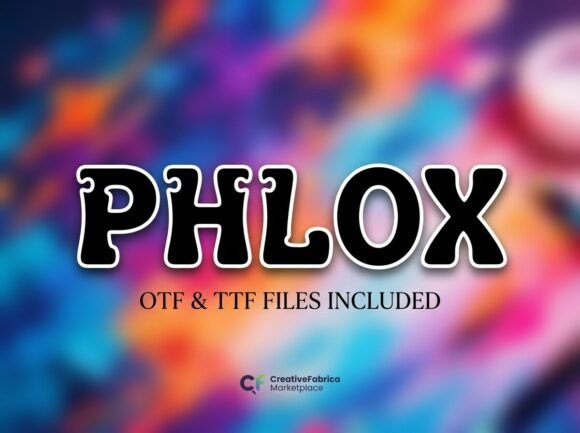
Imagine a typeface that doesn't just sit on the page but actively invites your audience to play. That's the immediate impression of Phlox, a display typeface with a personality that's impossible to ignore. Its massive, rounded slab-serif forms feel friendly and substantial, but the real magic is in the details: each letter terminates with the rhythmic, hand-drawn shapes of jigsaw puzzle tabs and notches. It’s a font that looks like it was assembled, piece by piece, with a clever wink. This isn't just another premium font; it's a visual narrative tool built for creators who want to communicate connection, intelligence, and a touch of whimsy.
More Than Just Letters: The Visual Personality of Phlox
At its core, Phlox is a display font with a heavy structural weight, making it perfect for headlines and logos that need to command attention. The rounded slab-serif letterforms give it a sturdy, reliable foundation, while the integrated puzzle elements introduce a dynamic, handcrafted quality. This duality is its strength. It feels both logical-and-lovely, balancing precision with playful charm. Unlike a standard sans serif font or a classic serif font, Phlox carries a built-in story of connection and assembly, making it an ideal creative font for projects that aim to be engaging and memorable from the very first glance.
Building a Brand Identity That Connects
For a brand, choosing a typeface is like choosing a voice. Phlox speaks the language of curiosity and collaboration. This makes it a standout choice for independent toy branding, where the message of "play" and "discovery" is paramount. Think of a logo for a new educational game or a line of sustainable wooden toys—the puzzle-inspired terminals immediately signal that the product is about building, solving, and creating. It extends naturally to team-building event graphics, conveying unity and interconnected goals. Using Phlox in your brand identity doesn't just make you look different; it communicates a core philosophy of connected, clever problem-solving before a customer even reads a word of your copy.
Practical Applications for Creative Projects
The versatility of Phlox allows it to shine across a wide array of design assets, moving far beyond a single-use logo. Its bold presence ensures impact in every context.
- Packaging Design: On a box for a board game or a craft kit, Phlox turns the product name into a focal point of excitement. The puzzle tabs hint at the interactive experience inside, enhancing shelf appeal.
- Social Media Graphics: Create high-impact headers for Instagram, Facebook, or Pinterest that stop the scroll. Its playful nature is perfect for promoting workshops, launches, or community events.
- Editorial Layouts: Use it for chapter headings in a magazine about design or parenting, or as a pull quote in a blog post to add a burst of visual energy and personality.
- Merchandise & Invitations: From t-shirts for a makers' collective to invitations for a puzzle-themed birthday party, Phlox adds a unique, tangible quality to printed goods.
- Websites & Blogs: Employ it strategically for main navigation links, section headers, or call-to-action buttons to inject personality into a digital space without sacrificing clarity for body text.
Pairing Phlox with Other Fonts
A key to using a strong display typeface like Phlox effectively is understanding font pairing. Because Phlox has such a distinctive character, it's best paired with simpler, more neutral fonts for body copy to maintain readability and professional balance. A clean sans serif font like Open Sans or Lato makes an excellent partner, allowing Phlox's headline charm to take center stage without overwhelming the page. For projects that require a bit more traditional feel, a simple, legible serif font can also work well. The goal is contrast: let the modern typography of Phlox handle the visual intrigue, while its partner ensures the supporting text is easy to read.
Making the Most of Your Font Choice
Before integrating a commercial font like Phlox into your workflow, a few practical steps will ensure a smooth process. First, always review the full character set and any included font styles (like bold or italic variations) to understand its full potential. Second, test it thoroughly in your specific application—view it at different sizes, on various screens, and in print proofs if possible. This checks for readability and visual consistency. Finally, be mindful of licensing. Most premium fonts come with clear commercial licensing terms that specify allowed uses, from digital marketing to physical merchandise. Respecting these terms protects your project and supports the type designers who create these valuable design assets. By thoughtfully applying a typeface as expressive as Phlox, you're not just choosing letters; you're crafting a cohesive and engaging visual story for your audience.