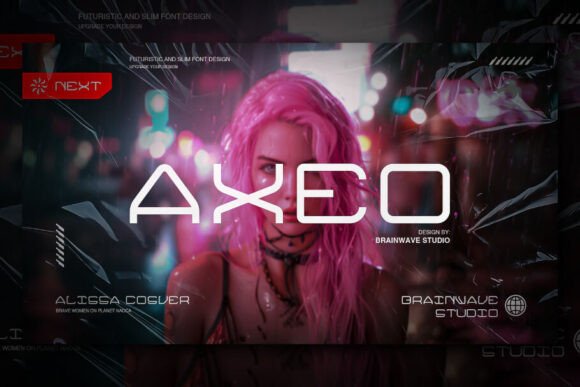
Axeo: The Typeface That Looks Like the Future
Imagine walking into a sleek, modern tech startup or browsing a cutting-edge digital product. The visual language feels clean, confident, and unmistakably forward-thinking. Often, the unsung hero creating that atmosphere is the typography. A font like Axeo doesn’t just display words; it projects an entire mindset. It’s a statement about innovation, efficiency, and the direction of design in our increasingly digital world. This isn’t about being trendy; it’s about choosing a visual voice that resonates with progress and clarity.
Understanding the Axeo Aesthetic
At its core, Axeo is a sans serif font defined by its futuristic and slim design. Forget ornate serifs or heavy, blocky letters. Axeo speaks in a language of clean lines, balanced proportions, and a sense of intentional openness. Its characters are crafted with a minimalist ethos, where every curve and angle serves a purpose. This creates a feeling of efficiency and sophistication. The negative space within and around the letters is as considered as the letters themselves, giving layouts a breathable, uncluttered quality. This modern typography is built for screens and environments where clarity and a contemporary edge are paramount.
Visually, it evokes the sleek interfaces of premium software, the streamlined aesthetics of electric vehicles, and the crisp layouts of high-end editorial design. It’s a typeface that doesn’t shout; it communicates with quiet confidence. For a brand identity, this translates into an immediate association with innovation and professionalism. It tells your audience that you’re focused, forward-looking, and value precision.
Where Axeo Truly Shines: Practical Applications
The real power of a premium font like Axeo is its versatility across a spectrum of creative and commercial projects. It’s not a one-trick pony; it’s a foundational design asset. Consider how its characteristics translate into different contexts:
- Branding & Logo Design: Axeo excels in creating logo design that needs to feel timeless yet contemporary. Its legibility at various sizes makes it perfect for app icons, website headers, and business cards. A tech startup, a modern consultancy, or a boutique fitness brand could use Axeo to build a visual system that feels both innovative and trustworthy.
- Digital Presence: In web design and social media graphics, readability is king. Axeo’s clear letterforms ensure your message is easily digestible on a crowded Instagram feed or a complex website interface. It pairs beautifully with both bold imagery and clean, white space, making it a favorite for content creators and marketers aiming for a polished, professional feed.
- Packaging & Merchandise: For packaging design, especially for products in the tech, beauty, or gourmet food spaces, Axeo can elevate the unboxing experience. Its slim profile allows for elegant labeling without overwhelming the product. On merchandise like tote bags or apparel, it creates a chic, urban look.
- Print & Editorial: Don’t limit it to digital. Axeo brings a fresh perspective to editorial design, magazines, and print materials. Think of a sleek annual report, a minimalist poster for an art exhibition, or an elegant invitation for a gallery opening. Its structure holds up well in print, maintaining its crisp, modern appeal.
Strategic Typography: Making Axeo Work for You
Choosing a creative font is only the first step. The real skill lies in applying it strategically to meet your project’s goals. Here’s how to harness Axeo effectively to improve visual consistency and brand recognition.
First, consider your font pairing. Axeo, as a sans serif font, often works best when contrasted. Try pairing it with a classic serif font for body text in editorial layouts to create a dynamic hierarchy. For a more cohesive, ultra-modern feel, you might pair different weights of Axeo itself—using a bold weight for headlines and a lighter weight for subtitles. Avoid pairing it with another geometric sans serif, as this can create visual competition rather than harmony.
Next, always prioritize readability. While Axeo’s slim design is visually striking, ensure your chosen weight and size are appropriate for the context. A very light weight might look stunning in a large poster headline but could become difficult to read in small body text on a mobile screen. Test your designs across devices and at different scales. Check the contrast against your background color to ensure accessibility for all users.
Finally, understand the full toolkit. A comprehensive commercial font like Axeo typically includes a range of styles—regular, medium, bold, and sometimes italic or condensed variants. Review all included font styles before starting your project. You might discover that a medium weight provides the perfect balance for your body copy, or that the bold weight is ideal for impactful call-to-action buttons. This exploration prevents you from settling for a suboptimal choice later.
From Concept to Execution: Final Considerations
Before you integrate Axeo into a client project or your own brand, a couple of practical checkpoints are essential. If you’re using it for commercial work, verify the commercial licensing terms. Most premium fonts have clear licenses, but it’s your responsibility to ensure they cover your intended use, whether for a client’s logo, digital products for sale, or printed merchandise.
Think about your audience’s perception. A hobbyist creating a personal blog might use Axeo to give their site a clean, modern feel that stands out from default templates. A small business owner launching an online store could use it to build a cohesive brand kit that feels established and reliable from day one. The font’s inherent association with the future and technology can subtly influence how your audience perceives your brand’s core values.
In the end, typography is one of the most powerful tools in your visual communication arsenal. A typeface like Axeo offers more than just letters; it offers a perspective. It provides a bridge between a brand’s innovative ideas and the audience’s visual experience. By understanding its strengths, applying it thoughtfully, and pairing it with complementary design elements, you can create work that doesn’t just look good, but feels intentional, professional, and aligned with the pulse of contemporary design. It’s about making a choice that looks less like a default and more like a deliberate, forward-thinking decision.