The Geometric Edge: Why Bauhaus is a Design Essential
There's a particular kind of visual confidence that comes from clean geometry. It feels intentional, modern, and timeless all at once. That’s the energy the Bauhaus typeface brings to the table. It’s not just another font; it’s a statement piece built on the principles of form and function. For designers, entrepreneurs, and creators, this unique geometric font offers a powerful tool for making any project look polished and intentional. Whether you're crafting a brand identity from scratch or refreshing your social media presence, understanding how to leverage this style can transform your work from ordinary to exceptional.
A Typeface with a Legacy of Clarity
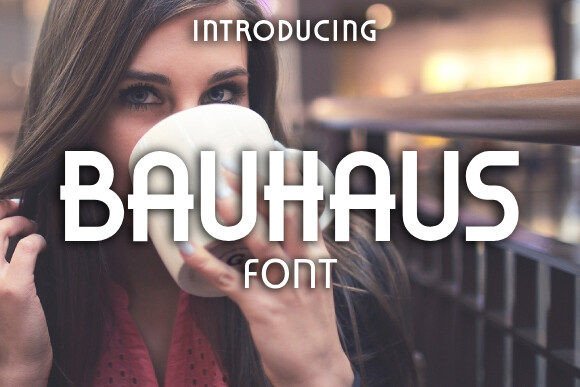
Drawing inspiration from the influential Bauhaus art school movement of the early 20th century, this font family is rooted in geometric simplicity. Think circles, squares, and triangles forming the basis of each letter. This foundation creates a typeface that feels incredibly balanced and orderly. Its visual appeal lies in this precise construction—every curve and line is deliberate, resulting in a clean, uncluttered look that commands attention without shouting. The rounded terminals and consistent stroke widths give it a friendly yet professional demeanor, making it versatile enough for both serious corporate applications and playful creative projects. It’s a premium font that bridges the gap between historical artistry and contemporary digital design needs.
Practical Applications Across Every Medium
The true strength of a geometric sans serif font like this is its chameleon-like adaptability. It performs exceptionally well across a vast range of applications, solving real-world design challenges for professionals and hobbyists alike.
- Branding & Logo Design: Its inherent clarity makes it perfect for logos. It scales beautifully, ensuring your brand mark looks crisp on a tiny favicon or a massive billboard. Pair it with a simple icon for a modern startup, or let it stand alone for a sophisticated, minimalist brand identity.
- Packaging Design: On shelves crowded with visual noise, the clean lines of this typeface cut through. It communicates quality and modernity, whether used for product names on artisan coffee bags or ingredient lists on cosmetics. Its readability at various sizes is a major asset here.
- Digital Presence: From website headers to blog post titles, it establishes a strong visual hierarchy. Its geometric nature ensures it renders beautifully on screens of all resolutions, enhancing user experience. For social media graphics, it creates bold, shareable quotes and announcements that pop in a fast-scrolling feed.
- Print & Merchandise: This is where its unique character truly shines. Use it on t-shirts, mugs, and posters for a distinct, contemporary feel. The font’s structure holds up wonderfully in print, ensuring crisp edges on everything from business cards to large-format event posters.
- Editorial & Marketing: In magazine layouts, brochures, or email marketing campaigns, it provides a consistent, professional tone. It’s an excellent choice for headlines and subheadings, creating clear entry points for readers and improving the overall flow of information.
Strategic Typography: More Than Just Picking a Font
Choosing a typeface is a strategic decision. The Bauhaus font isn’t just about looking good; it’s about achieving specific communication goals. Its high x-height and open counters contribute to excellent readability, even at smaller sizes or on challenging backgrounds. This makes it a reliable workhorse for body text in certain contexts, though it truly excels in display roles. For brands aiming to project innovation, accessibility, and forward-thinking values, this typeface is a natural fit. It helps build visual consistency across all touchpoints, which is crucial for brand recognition. When a customer sees the same distinctive, clean letterforms on your website, your product packaging, and your Instagram feed, it creates a cohesive and memorable experience.
Pairing and Practical Considerations
No font is an island. To maximize its impact, consider how it interacts with other design assets. A classic and effective approach is to pair this geometric display font with a clean, highly readable sans serif for body text. This creates a dynamic contrast that guides the viewer’s eye. Alternatively, for a more dramatic effect, it can be paired with a subtle serif font for an elegant juxtaposition of modern and traditional.
Before finalizing your design, always test your font choices in context. How does the letter spacing look at the size you’ll be using? Does it maintain its clarity when printed on textured paper or viewed on a mobile device? Review the included font styles—many premium font families offer a range of weights from light to bold, giving you flexibility to create emphasis and hierarchy within your layouts.
Finally, a crucial step for any commercial project: verify the licensing. Ensure the font license covers your intended use, whether it’s for digital products, printed merchandise, or client work. This protects your investment and your project down the line. By thoughtfully integrating a typeface like this into your toolkit, you’re not just selecting letters; you’re investing in a versatile visual language that can elevate your professional presentation and engage your audience more effectively.