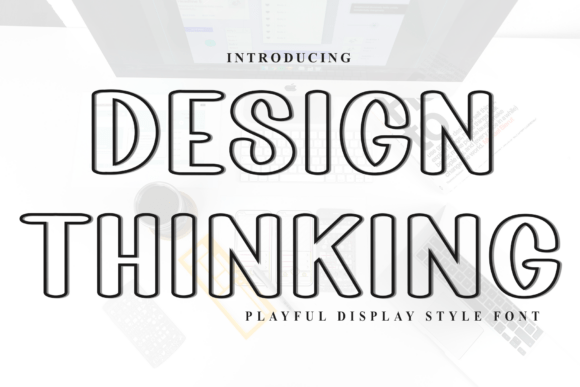
Design Thinking: A Font That Brings Warmth to Modern Projects
There’s a particular feeling you get when you land on the right typeface. It’s not just about legibility or fitting a headline into a space—it’s about character. Some fonts feel cold and corporate, others playful and chaotic. Then there are typefaces like Design Thinking, which strike a rare balance: they’re distinctive enough to be memorable, yet soft enough to feel approachable. If you’ve been searching for a display font that doesn’t sacrifice personality for versatility, this one deserves a closer look.
Design Thinking isn’t just another script or handwritten font. Its strokes have a gentle, organic quality—think of the way ink bleeds slightly on textured paper, or how a hand-lettered sign feels more human than a printed one. That subtle imperfection is intentional. It gives the typeface a warmth that rigid, geometric fonts often lack. Whether you’re designing a logo for a boutique bakery, crafting social media graphics for a wellness brand, or laying out an invitation for a garden party, this font brings a natural, inviting aesthetic to the table.
Where This Typeface Shines: Real-World Applications
Let’s talk practicality. A beautiful font is only useful if it works across the projects you actually create. Design Thinking holds up remarkably well in a variety of contexts, thanks to its balanced weight and readable letterforms. Here’s where I’ve seen it make a genuine difference:
- Branding & Logo Design: If your brand leans artisanal, creative, or human-centered, this font can become a core part of your visual identity. It pairs well with clean sans-serifs for contrast, or stands alone for a more expressive look.
- Packaging Design: Imagine this font on a candle label, a coffee bag, or a skincare product. Its softness suggests care and craftsmanship—qualities that resonate with consumers looking for authentic products.
- Social Media Graphics: In a feed full of harsh, bold type, a font with gentle curves and thoughtful spacing can stop the scroll. Use it for quotes, announcements, or story overlays to add a touch of elegance.
- Websites & Blogs: While it’s not a body-text workhorse, Design Thinking works beautifully for headlines, pull quotes, or section dividers. It adds visual interest without overwhelming a clean layout.
- Print Materials: Think business cards, postcards, or brochures. The font’s unique character helps printed pieces feel less generic and more intentional.
- Invitations & Event Collateral: From wedding suites to workshop flyers, its handwritten quality feels personal and celebratory.
- Merchandise & Apparel: On tote bags, mugs, or t-shirts, this font carries a relaxed, artistic vibe that appeals to creative audiences.
- Editorial Layouts & Digital Products: Use it for chapter titles, cover art, or digital download headers to give your content a polished, professional feel.
What ties all these uses together is the font’s ability to enhance without dominating. It supports your message rather than competing with it.
The Practical Side: Pairing, Readability, and Licensing
Choosing a font isn’t just about falling in love with a style—it’s about making sure it works in context. Here are a few things to keep in mind if you’re considering Design Thinking for your next project:
Font Pairing: This typeface plays well with others. Try combining it with a simple sans-serif like Montserrat or Lato for a clean, modern contrast. If you’re going for a more traditional feel, a classic serif like Playfair Display can create an interesting dialogue. The key is to let Design Thinking be the star—use it for headlines or key phrases, and let your secondary font handle the bulk of the text.
Readability Considerations: While it’s surprisingly legible at medium sizes, avoid using this font for long paragraphs or small body text. Its charm is best appreciated in shorter bursts—a tagline, a product name, a pull quote. Test it at the size you plan to use; what looks perfect on your screen might need adjustment in print.
Review the Included Styles: Many premium fonts come with multiple weights or stylistic alternates. Check what’s included in the Design Thinking package—does it offer bold or italic versions? Are there alternate characters for certain letters? These extras can add flexibility and help you tailor the font to specific needs.
Commercial Licensing: This is non-negotiable if you’re using the font for client work, products for sale, or any commercial application. Always verify the license terms. A good commercial font license should cover a wide range of uses, but it’s your responsibility to ensure compliance. When in doubt, reach out to the font creator or distributor.
Beyond Aesthetics: How the Right Font Strengthens Your Brand
We often underestimate the role typography plays in how people perceive our work. A font isn’t just decoration—it’s a silent ambassador for your brand’s values. The soft, approachable nature of Design Thinking can help communicate qualities like creativity, authenticity, and warmth. Over time, consistent use of a distinctive typeface builds recognition. Your audience starts to associate that visual style with your content, your products, your voice.
Think about the brands you admire. Chances are, their typography feels intentional and cohesive. That’s not an accident. It’s the result of choosing fonts that align with their message and using them consistently across every touchpoint—from their website to their packaging to their Instagram stories.
Design Thinking offers that kind of consistency. It’s not a fleeting trend; it’s a typeface with enough character to feel special, but enough restraint to remain versatile. Whether you’re a small business owner building your first brand identity, a content creator looking to elevate your visuals, or a designer seeking a fresh display font for client projects, it’s worth exploring.
Typography is one of the most powerful tools in your design toolkit. When you find a font that resonates with your aesthetic and serves your practical needs, it becomes more than just letters on a page—it becomes part of your story. Design Thinking might just be the chapter you’ve been looking for.