Sicko: The Gritty, Graffiti Font That Demands Attention
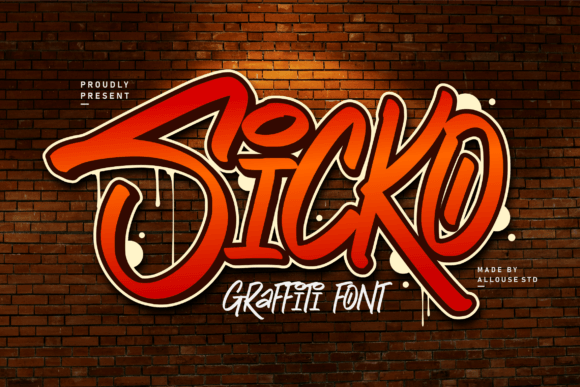
There's a certain energy that comes with street art—the raw, unfiltered expression that grabs you from across a crowded room or a busy feed. It's bold, it's unapologetic, and it tells a story without saying a word. That's the exact vibe captured in the Sicko typeface. This isn't your average, clean-lined font designed to blend in; it's a premium display font built for projects that need to stand out. Inspired by the authentic strokes of graffiti art, Sicko brings an urban, handcrafted edge to digital and print design. For designers, entrepreneurs, and creators tired of safe, generic typography, it offers a way to inject personality and attitude directly into their work.
Why a Gritty Typeface Cuts Through the Noise
Visual clutter is everywhere. From social media scrolls to supermarket shelves, consumers are bombarded with polished, perfect graphics. Sometimes, what truly catches the eye is something that feels real, textured, and human. Sicko taps into this need for authenticity. Its letterforms mimic the dynamic, slightly imperfect strokes of a spray can or marker, giving text an instant sense of movement and energy. This makes it an incredibly effective tool for grabbing attention quickly. In a world of smooth sans-serifs and elegant serifs, a well-used graffiti font like Sicko acts as a visual exclamation point.
This style isn't about chaos, though. It's a deliberate design choice. Using Sicko signals that a brand or project is confident, contemporary, and not afraid to break from tradition. It speaks to audiences who value creativity, street culture, and a bit of rebellious spirit. Think of the brands that resonate with younger demographics—they often incorporate elements of urban culture into their visual identity. A typeface like this is a direct line to that conversation.
Practical Applications for Modern Creators
The true test of any creative asset is its versatility. Where does a font like Sicko actually work in the real world? Its strength lies in applications where display text is the star of the show.
- Branding & Logo Design: For businesses in music, streetwear, skate culture, beverage brands, or entertainment, Sicko can form the core of a powerful logo. It instantly communicates a brand's personality. Paired with a simple, clean sans-serif for body text, it creates a striking and balanced brand identity that's memorable.
- Packaging Design: On a crowded shelf, packaging needs to shout. Sicko is perfect for product names on labels for craft beer, energy drinks, snacks, or artisanal goods. It conveys a sense of bold flavor and attitude before the product is even tried.
- Social Media & Digital Content: Instagram stories, YouTube thumbnails, TikTok graphics, and podcast covers all thrive on high-impact visuals. Using Sicko for headlines or key phrases can stop the scroll, making your content more engaging and shareable. It’s ideal for quotes, announcements, or event promotions that need an energetic punch.
- Editorial & Layout Design: Magazine spreads, blog headers, and event posters can benefit from the font's dramatic flair. Use it for pull quotes, article titles, or section headings to add visual interest and break up monotonous text layouts. It brings a contemporary, editorial edge to any publication.
- Merchandise & Apparel: T-shirts, hoodies, hats, and stickers are natural homes for a graffiti-inspired font. Sicko translates beautifully to screen printing and embroidery, creating designs that feel authentic to streetwear culture.
- Event Promotion: Flyers, posters, and digital ads for concerts, art shows, pop-up shops, or street festivals need to reflect their environment. This typeface sets the right tone immediately, building excitement and fitting the event's aesthetic.
Integrating Sicko Into Your Design Workflow
Choosing a powerful font is just the first step. Using it effectively is what separates good design from great design. Here are some practical tips for making the most of a display font like Sicko.
Master the Art of Font Pairing
A font with as much character as Sicko needs a partner that complements, not competes. The golden rule is contrast. Pair it with a neutral, highly readable typeface for longer blocks of text. A simple sans-serif like Helvetica, Arial, or a modern grotesque font works beautifully. This allows Sicko to handle the headlines and impactful statements, while the secondary font ensures body copy remains clear and easy to read. Avoid pairing it with other decorative or script fonts, as the result will likely be visually noisy and confusing.
Prioritize Readability and Hierarchy
Because Sicko is a display font, it's designed for impact at larger sizes. It's generally not suitable for paragraphs or small body text, where its intricate details could become difficult to decipher. Use it strategically for headlines, logos, short quotes, and call-to-action text. Establishing a clear visual hierarchy—using Sicko for the most important information and a clean font for supporting details—ensures your message is both seen and understood.
Consider the Context and Audience
Match the font to the project's goals and the audience's expectations. Sicko is perfect for a music festival poster, a streetwear brand's website, or a podcast about urban culture. It might be less appropriate for a law firm's annual report or a luxury spa's wedding invitation. Always ask: does this font style align with the tone and message I need to convey? Understanding your audience is key to making typography choices that resonate rather than confuse.
Explore the Included Styles
A high-quality premium font family often includes more than one style. Check if Sicko comes with variations like regular, bold, italic, or outline versions. These additional styles can provide valuable flexibility within your designs, allowing you to create emphasis and variety while maintaining a cohesive look. Using different weights from the same family is a classic way to build sophisticated typographic systems.
Understand Licensing for Commercial Use
If you're using Sicko for a client project, merchandise for sale, or any commercial endeavor, it's crucial to ensure you have the correct license. Premium fonts typically require a commercial license for such uses. This isn't just a legal formality; it's an ethical practice that supports the work of the type designers who created the font. Always review the license agreement that comes with your purchase to understand the terms of use.
Ultimately, typography is a voice. The font you choose for a project speaks volumes before a single word is read. Sicko