Handwriting Stacked: A Playful Type for Creative Projects
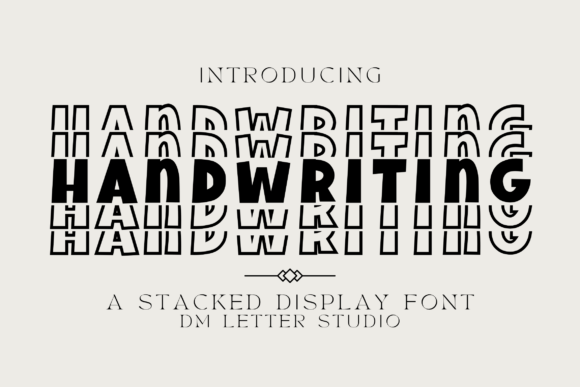
Every designer knows the struggle: you have a message that needs to pop, but standard horizontal text feels flat. You need energy, you need warmth, and you need a way to grab attention instantly. That is exactly where a font like Handwriting Stacked enters the conversation. It takes the familiar comfort of a handwritten style and flips the script—or rather, stacks the script—giving your typography a vertical rhythm that feels both modern and approachable. It is not just a typeface; it is a visual statement that says, "Look here, this is important, and we are having fun with it."
For the creative entrepreneur or the busy marketing manager, font choice is rarely just about aesthetics; it is about communication. You want a typeface that carries the right weight of your brand personality. If your brand voice is friendly, energetic, or whimsical, this particular style of typography offers a solution that solves a common layout problem: how to make short, punchy phrases look dynamic without resorting to complex graphic elements. By arranging letters vertically, this design creates a strong focal point that is hard to ignore.
Why Stacked Typography Captures Attention
There is a psychological reason why stacked text works so well in modern design. Our eyes naturally scan content in an "F" pattern, often missing sidebars or secondary text. However, a vertically stacked block of text interrupts that flow. It forces the viewer to pause and read deliberately. This is why you see this style dominating trendy packaging, vintage-inspired logos, and high-engagement social media posts. It commands space in a way that horizontal serif or sans serif fonts sometimes struggle to do in compact layouts.
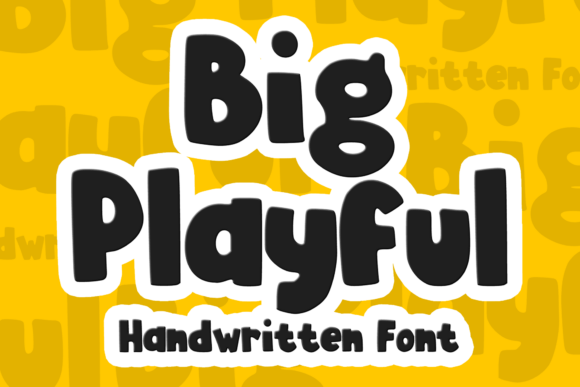
With the Handwriting Stacked font, the impact is softened by the organic nature of the strokes. It avoids looking rigid or industrial. Instead of feeling like a corporate mandate, it feels like a friendly note passed between friends. This balance of structure and personality makes it a versatile display font. It is bold enough to act as a headline but personal enough to feel like a conversation. For anyone working on brand identity, this duality is valuable. It allows you to be loud without being aggressive, and professional without being sterile.
Breathing Life into Branding and Packaging
Let’s talk about application. If you are designing a logo for a boutique coffee shop, a local brewery, or a handmade soap company, you are likely aiming for that "artisan" vibe. This is where a premium font with a handwritten font aesthetic shines. However, many script fonts can be difficult to read at small sizes or look too messy. The stacked arrangement solves the readability issue by keeping the letterforms contained within a tight geometric boundary.
Imagine a label for a jar of jam. The brand name needs to be legible from across a grocery aisle. Using a standard cursive might blur into a squiggly line at a distance. But when you stack the letters, the silhouette of the word becomes distinct. The Handwriting Stacked style adds that human touch—suggesting the product was made with care—while the vertical alignment ensures the text holds its shape against other packaging design elements like ingredient lists or imagery.
It also works wonders for logo design. A stacked wordmark is incredibly versatile. It fits perfectly in a square profile picture on Instagram, it sits nicely on a website favicon, and it anchors the back of a t-shirt or business card. Because the font radiates sincerity, it helps build trust with your audience. People connect with things that feel handmade in an increasingly digital world. Using this typeface is a quick way to inject that authenticity into your visual assets.
From Social Media to Editorial Layouts
If your work lives primarily on screens, the utility of this font extends deeply into social media graphics and web design. Content creators on platforms like Instagram, TikTok, or Pinterest are constantly fighting for attention in crowded feeds. A quote card or a sale announcement needs to be digestible in less than two seconds.
Consider a promotional post for a flash sale. Using a standard sans serif font might look clean, but it often blends in with the UI of the app itself. By using a creative font like the stacked handwriting option, you introduce texture and dimension. The vertical arrangement breaks the monotony of the timeline. It acts as a pattern interrupt. Furthermore, because it oozes charm, it is perfect for lifestyle content, travel blogs, or fashion lookbooks where the vibe is just as important as the information.
In editorial design, such as magazine headers or pull quotes in a long-form article, this typeface provides a necessary visual break. It guides the reader's eye through the page, signaling a shift in tone or highlighting a key takeaway. It pairs beautifully with clean, neutral body text—like a classic serif font or a geometric sans serif—creating a hierarchy that feels both organized and artistic.
Practical Tips for Implementation
Adopting a new typeface into your workflow requires a bit of strategy to ensure it enhances rather than clutters your design. Here are some practical considerations for getting the most out of a font like this:
- Mastering Font Pairing: The golden rule of typography is contrast. Because Handwriting Stacked has a lot of texture and character, it needs a quiet partner. Avoid pairing it with other decorative fonts. Instead, let it shine against a clean background with a simple sans serif font for body copy. This ensures your headlines pop while your paragraphs remain easy to read.
- Readability First: While the style is playful, context matters. This is a display font, meaning it is designed for large sizes. Use it for headers, titles, and short bursts of text. Do not use it for long paragraphs or fine print; the stacking effect can become tiring to read over large blocks of text. Keep it punchy.
- Color and Texture: This typeface loves color. Because the letterforms are distinct, you can afford to use bold, vibrant hues. It also works exceptionally well overlaid on photography or textured backgrounds (like paper grain or concrete), as the irregular edges of the letters blend organically with these elements.
- Commercial Licensing: If you are using this for merchandise—like t-shirts, mugs, or tote bags—always double-check the licensing of your design assets. A font might be free for personal use but require a commercial license for products you sell. Ensuring you have the right to use the font protects your business and supports the type designers who created it.
Infusing Creativity into Every Project
The true power of a tool like the Handwriting Stacked font lies in its ability to communicate emotion instantly. Whether you are a small business owner creating flyers for a local event, a designer crafting a wedding invitation, or a marketer building a landing page, typography sets the mood.
By choosing a typeface that feels hand-scribed and thoughtfully arranged, you are telling your audience that you care about the details. It moves your project away from the generic "template" look and toward something that feels bespoke. It is an easy way to add a layer of sophistication and whimsy to your digital products and print materials alike.
Ultimately, great design is about solving problems with style. When you need to make a statement, create a focal point, or simply make someone smile when they look at your work, a font that stacks the deck in your favor is an invaluable asset in your toolkit. It bridges the gap between the digital precision of modern software and the imperfect beauty of human handwriting.