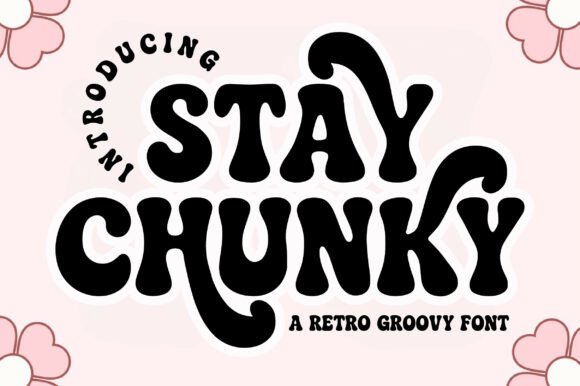
Capturing the 70s Vibe: A Deep Dive into the Retro Groovy Font Bundle
If you have ever found yourself scrolling through Pinterest or flipping through vintage magazines, mesmerized by the psychedelic curves and bold, unapologetic typography of the mid-20th century, you know how hard it is to replicate that feeling in modern design. We often try to force modern sans-serifs to do the heavy lifting of a retro aesthetic, and the result usually falls flat. To truly capture that "flower power" era, you need typefaces that were born from that specific visual language. That is exactly why the Retro Groovy Bundle has become such a vital asset in my design toolkit. It isn't just a collection of random styles; it is a curated time capsule featuring seven distinct display fonts that embody the funk, soul, and optimism of the 60s and 70s.
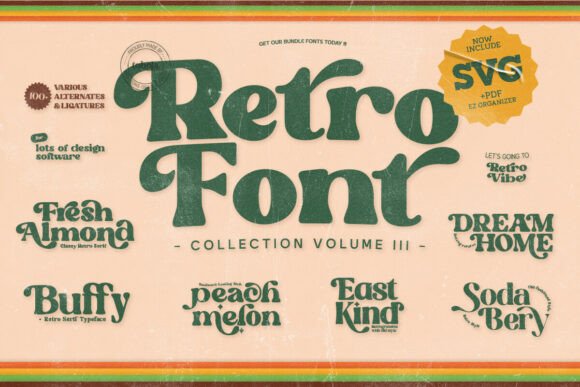
Whether you are a freelance graphic designer working on a coffee shop brand identity, a small business owner looking to spice up your product packaging, or a content creator trying to build a cohesive aesthetic on Instagram, typography is the anchor of your visual communication. This bundle, featuring handcrafted curves and unique personalities, bridges the gap between high-quality design assets and practical application. Let’s break down how these specific typefaces—like Fresh Almond, Peach Melon, and Dream Home—can transform your projects from generic to groovy.
The Anatomy of a Groovy Typeface
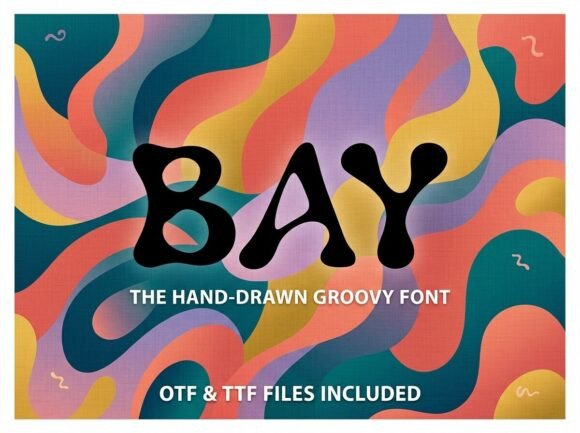
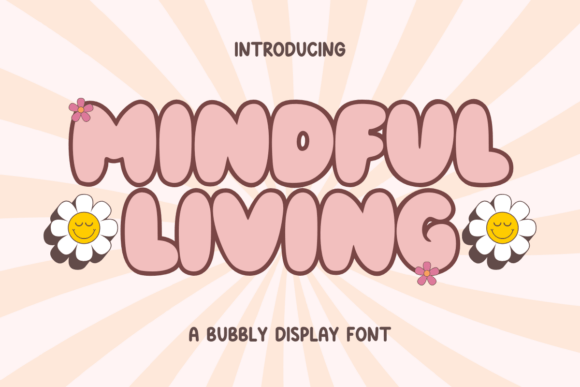
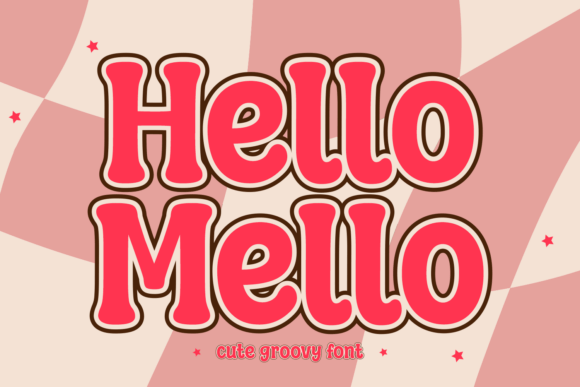
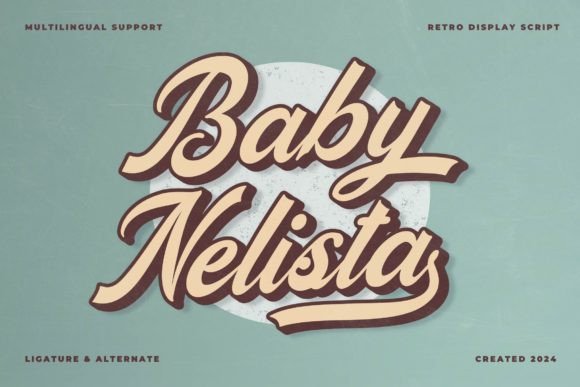
What makes a font feel "retro" without looking dated or tacky? It usually comes down to the details in the curves and the weight distribution. The fonts included in this collection, such as Buffy and Sodabery, feature the kind of soft, rounded edges and playful swashes that defined the typography of the disco era. They aren't just blocky letters; they have movement. East Kind, for example, offers a distinct personality that feels like it belongs on a vintage concert poster or a faded cereal box.
The visual appeal here lies in the "imperfection." In a world dominated by rigid, grid-based modern typography, these display fonts offer a breath of fresh air. They are designed to be the hero of your layout. When you use a typeface like Peach Melon, you are instantly injecting warmth and nostalgia into your work. However, because these are display fonts, they demand attention. They are best used for headlines, logos, and short bursts of text where personality is more important than pure legibility. You wouldn't write a blog post body copy in Fresh Almond, but you would absolutely use it to title your menu or create a header for your newsletter.
Practical Applications: From Packaging to Social Feeds
The versatility of the Retro Groovy Bundle lies in its ability to adapt to different mediums. I have seen these types of typefaces used effectively across a massive range of creative projects. Here is how you can practically apply these assets to your current workload:
- Branding and Logo Design: If you are launching a brand that values authenticity, sustainability, or creativity, a retro font sets the tone immediately. Imagine a handmade soap company using Dream Home for their logo; it instantly communicates a gentle, artisanal vibe. For a music venue or a retro diner, Buffy provides that bold, high-energy impact needed for signage.
- Packaging Design: The shelf is a competitive place. Packaging design relies on grabbing attention in seconds. These fonts work beautifully for product labels, especially for items like craft beer, organic snacks, or boutique clothing. The handcrafted curves suggest a premium, human touch that sterile, corporate fonts often lack.
- Social Media Graphics: On platforms like Instagram or TikTok, stopping the scroll is the goal. Using a bold display font for your quote graphics or sale announcements creates a strong focal point. The bundle ensures you can rotate between styles—using Sodabery for a Friday night promotion and East Kind for a Sunday mood board—keeping your feed visually interesting without losing your brand identity.
- Merchandise and Print: T-shirt design is perhaps the most natural habitat for these fonts. The "groovy" aesthetic is currently trending heavily in fashion. These fonts are perfect for screen printing on tees, tote bags, and stickers. Furthermore, they translate well to physical print materials like flyers, event posters, and invitations where you want to evoke a specific theme.
Technical Usability: PUA Encoding and Compatibility
A beautiful font is useless if you can't access the characters you need. One of the most practical features of this collection is that all fonts are PUA (Private Use Areas) encoded. For the non-designers reading this, this essentially means that you can access all the special characters, stylistic alternates, and glyphs even if you don't have professional design software. It makes the process seamless in standard programs.
Compatibility is never an issue here. Whether you are a professional working in Adobe Illustrator, Photoshop, or InDesign, or a small business owner designing your own flyers in Canva, these fonts load right up. They are also fully compatible with Affinity and CorelDRAW. This accessibility is crucial. It allows a hobbyist to achieve the same level of professional presentation as a seasoned agency designer. You don't need to be a typography expert to install these and start creating; the "groovy" vibe is built right into the letterforms.
Strategic Pairing and Readability
Using a retro font bundle effectively requires a bit of strategy, particularly regarding font pairing. Because fonts like Fresh Almond or Peach Melon are so distinct and stylistic, they can overwhelm a design if used for everything.
The golden rule of typography applies here: Contrast is key. If your header uses a bold, curvy retro display font, your body text should be something clean and neutral. Pair these groovy typefaces with a simple sans serif font or a clean serif font. For example, a header in Dream Home looks incredible next to a paragraph written in a standard font like Montserrat or Lora. This ensures your readability remains high while your brand recognition stays strong.
When testing your pairings, consider the mood. Buffy has a different energy than East Kind. One might feel more playful and suited for a children's party invite, while the other might feel more suited for a vintage music festival. Take the time to preview how the fonts interact with your specific color palette. Retro aesthetics often rely on earth tones, mustard yellows, teals, and burnt oranges, so ensure your typeface choice complements your color strategy.
Conclusion: More Than Just a Trend
While "retro" might sound like a passing fad, the principles of 70s design—boldness, expressiveness, and personality—are timeless in marketing. The Retro Groovy Bundle isn't just a collection of design assets; it is a toolkit for storytelling. Whether you are designing a digital product, curating a blog layout, or creating marketing assets for a client, having these seven distinct styles at your disposal allows you to pivot creatively without sacrificing quality.
For the entrepreneur or creator, this bundle offers a way to stand out in a sea of minimalism. It allows you to inject "nostalgic vibes" into your work with the click of a button. If you are looking to refresh your brand identity or tackle a new packaging project, diving into these handcrafted curves might be exactly the inspiration you need to create something truly memorable.