Rebel Typography: Channeling Raw Energy with Ink District
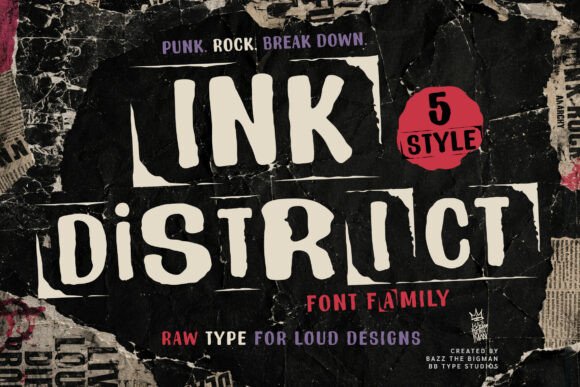
Forget the sterile perfection of corporate sans-serifs and the predictable curves of standard display fonts. If your brand or project speaks to the underground, the counter-culture, or the unapologetically bold, your typography needs to scream just as loud as your message. Enter Ink District, a gritty typeface family that doesn't just sit on the page—it attacks it. This isn't just a font; it's a visual manifesto for the restless, capturing the frantic energy of photocopied punk zines, DIY basement show posters, and the raw, unfiltered aesthetic of street art. For designers, entrepreneurs, and creators who need to inject a sense of rebellion and authenticity into their work, this "Raw Type" collection is a game-changer.
More Than Just Distressed: The Anatomy of a Rebel Font
What makes a font like Ink District feel so alive? It’s in the details. The hand-inked, distressed edges are meticulously crafted, not randomly generated. Each glyph carries the weight and imperfection of a real-world screen print or a marker dragged across rough paper. The rhythm is intentionally irregular, rejecting the mechanical uniformity of digital perfection. This creates a restless, energetic texture that immediately signals authenticity and a DIY ethos. With five distinct styles included, you’re not locked into one look. You might choose a heavily distressed version for a grungy poster and a slightly cleaner variant for a brand logo where legibility at smaller sizes is still paramount. This versatility within a cohesive aesthetic is what makes it a premium font asset for serious creative work.
Where the Streets Meet the Screen: Practical Applications
The true test of a creative font is its real-world application. Ink District thrives in environments where impact and attitude are non-negotiable. Its heavy visual weight and street-art aesthetic make it a powerhouse for specific, high-energy projects.
- Alternative Music & Event Branding: This is its native habitat. Use it for band logos, album art, concert posters, and festival merch. It instantly communicates the raw sound and ethos of punk, metal, garage rock, or indie scenes.
- Edgy Streetwear & Product Packaging: For apparel brands, skate shops, or urban lifestyle products, this typeface becomes part of the product identity. It looks incredible on tags, hang tags, and packaging, telling customers exactly what the brand stands for before they even read the copy.
- High-Impact Social Media & Web Headers: In a crowded digital space, scroll-stopping power is everything. A headline set in Ink District for a YouTube thumbnail, Instagram story, or website hero section guarantees attention. It’s perfect for blogs, podcasts, or channels covering extreme sports, underground culture, or independent film.
- Editorial & Print Materials: Think beyond digital. It adds incredible texture to zine layouts, magazine feature titles, or even bold invitations for a themed event. The key is using it for large-scale headlines and pull quotes where its detailed character can shine.
Building a Brand That Doesn’t Whisper
For a small business or creative entrepreneur, typography is a silent ambassador for your brand’s values. Choosing a font like Ink District is a deliberate strategic move. It tells your audience that you value authenticity over polish, energy over elegance, and substance over superficial gloss. This builds powerful brand recognition. When your logo, website, and packaging all share this gritty, handcrafted typographic voice, you create an unmistakable and consistent visual identity that resonates deeply with a specific audience—the people who get it.
However, wielding such a potent display font requires a thoughtful approach. This is not the typeface for your lengthy "About Us" paragraph or product descriptions. Its strength is in the headline, the logo mark, the single, powerful statement. For body text and longer readable content, you’ll need a reliable partner.
Strategic Pairings and Readability
The art of font pairing is about creating dialogue, not competition. To let Ink District’s personality dominate your headlines, pair it with a clean, neutral sans-serif or a simple serif font for supporting text. A classic combination might be Ink District for your main header, followed by a font like Open Sans, Lato, or even a sturdy serif like Merriweather for body copy. This contrast ensures your message is both impactful and digestible. Always test your pairings at the intended size—what looks balanced on a large poster may become muddy on a mobile screen. The goal is to maintain a professional presentation where the raw energy enhances, rather than hinders, clear communication.
From Concept to Commercial: Making It Work for You
When you invest in a commercial font like this, you’re investing in a design asset. Before committing to a project, take the time to explore all five styles included in the family. Each variation offers a different level of texture and intensity, giving you nuanced control over the final look. Does your project call for the most weathered, gritty version, or does it need the slightly more refined edge of another style? This exploration is part of the creative process.
Finally, a practical note on licensing. For any commercial project—whether it’s a client’s logo, merchandise for sale, or a monetized blog—ensure you understand the font’s licensing terms. A properly licensed font is a professional necessity, protecting both you and your client. It’s the final step in ensuring your bold, rebellious visual identity is also built on a foundation of professionalism.
Ink District isn’t for every project, and that’s precisely its power. It’s a specialized tool for a specific voice. When you need to cut through the noise with unapologetic intensity and underground authenticity, this typeface delivers a legendary presence that’s impossible to ignore. It’s more than just letters on a page; it’s the sound of rebellion made visual.