Cartius: Channeling Norse Elegance for Bold Modern Designs
There’s a certain weight and presence that historical letterforms carry. They don’t just spell out a word; they tell a story of craftsmanship, tradition, and power. If you’re a designer or business owner searching for a typeface that does more than just sit on a page, one that brings an instant sense of legacy and strength, you might be looking for a font with a soul. Enter Cartius, a display font that masterfully blends the fierce elegance of ancient Norse culture with the intricate, sacred beauty of Celtic art.
More Than Letters: The Visual Story of Cartius
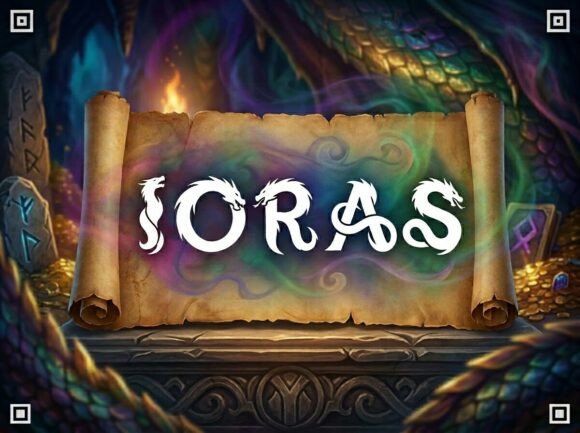
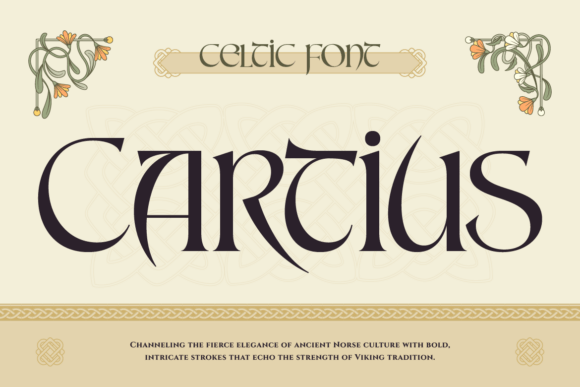
Cartius isn’t a simple revival of old scripts. It’s a thoughtful interpretation of a specific aesthetic moment—the 6th to 7th centuries, when Celtic and Norse influences intertwined across regions like Ireland, Scotland, and Britain. The result is a font with bold, confident strokes and intricate details that echo the strength of Viking tradition and the fluid artistry of illuminated manuscripts. Think of the sturdy, interlocking forms you might see on a runestone, combined with the delicate, flowing lines of a Celtic knotwork border. This is a typeface that feels both ancient and intentional.
What makes it visually captivating is this duality. It has the ruggedness to feel grounded and historical, yet the intricate details give it a refined, almost sacred quality. The letterforms are designed to be immediately recognizable, creating a rich visual texture that commands attention without shouting. It’s this unique personality that makes Cartius a powerful tool for specific creative projects.
Where History Meets Modern Application
Understanding a font’s personality is one thing; knowing where to use it is another. The true value of a creative font like Cartius lies in its practical application. It’s not for body text or a corporate report, but for moments where you need to make a strong, thematic statement.
For Branding and Logo Design: If your brand has a story rooted in history, craftsmanship, adventure, or fantasy, Cartius can become the cornerstone of your visual identity. Imagine it for a craft brewery specializing in mead, a bespoke leather goods maker, a fantasy author’s personal brand, or a historical reenactment society. It instantly communicates a sense of heritage, quality, and uniqueness. Pairing it with a clean, modern sans-serif font for supporting text creates a beautiful contrast that balances the old with the new.
In Packaging and Merchandise: On a product label, Cartius can elevate a simple item into something special. It works beautifully for gourmet food products, artisanal spirits, specialty coffee roasters, or even cosmetics with a natural, earthy theme. For merchandise like t-shirts, hats, or posters, it provides a captivating style that feels authentic and premium, moving beyond generic designs.
Across Digital and Print Media: The applications extend far beyond physical products. Use it as a hero headline on a website homepage for a fantasy game, a historical blog, or a medieval-themed event. It’s perfect for creating striking social media graphics that stop the scroll, especially for announcements, quotes, or series titles. In print, it shines on event invitations (think fantasy weddings or themed parties), poster designs, book covers, and editorial layouts where you need a powerful pull quote or chapter title.
Strategic Typography: Making Cartius Work for You
Using a distinctive display font effectively requires a bit of strategy. The goal is to harness its power without overwhelming your audience or compromising clarity.
Prioritize Readability in Context: While Cartius is designed for impact, always consider where it will be viewed. At large sizes on a poster or logo, its details are a strength. At a smaller size in a dense paragraph, those same details could reduce readability. Use it for headlines, subheadings, logos, and short, impactful phrases—not for your main body copy. Test it at the intended size to ensure it remains clear.
Master the Font Pairing: The most professional presentations often use a thoughtful pairing of typefaces. Cartius, with its high personality, pairs best with simple, neutral fonts. A clean sans-serif like Helvetica, Open Sans, or Montserrat for body text provides a perfect, readable backdrop that lets Cartius’s headline shine. Avoid pairing it with other ornate or script fonts, as this will create visual chaos.
Leverage Included Styles: A quality font family often comes with more than one style. Check if your Cartius purchase includes options like a bold weight, an italic, or alternate character sets. These variations give you flexibility to create hierarchy and emphasis within your designs while maintaining visual consistency.
Understand Your License: If you’re using Cartius for commercial projects—a client’s logo, a product you sell, or paid marketing materials—ensure you have the correct commercial license. This is a critical step for any professional designer or business owner to avoid legal issues down the line. Most premium font foundries make licensing clear and straightforward.
Building a Recognizable and Engaging Identity
The right typography does more than decorate; it communicates. By choosing a font like Cartius, you’re making a deliberate decision about your brand’s voice and story. It helps build visual consistency across all your touchpoints, from your website to your packaging, making your brand more recognizable. The historical and artistic weight of the typeface can increase audience engagement, as people are drawn to designs that feel authentic and meaningful. It contributes to a professional presentation that shows attention to detail and a clear creative vision.
Ultimately, Cartius is more than just a set of letters. It’s a design asset that carries centuries of cultural legacy, offering a unique and timeless look for projects that dare to be different. Whether you’re building a brand from the ground up, designing a compelling cover for a novel, or crafting social media content that tells a deeper story, it provides a direct line to the strength and elegance of the past, ready to be reinterpreted for the present.